
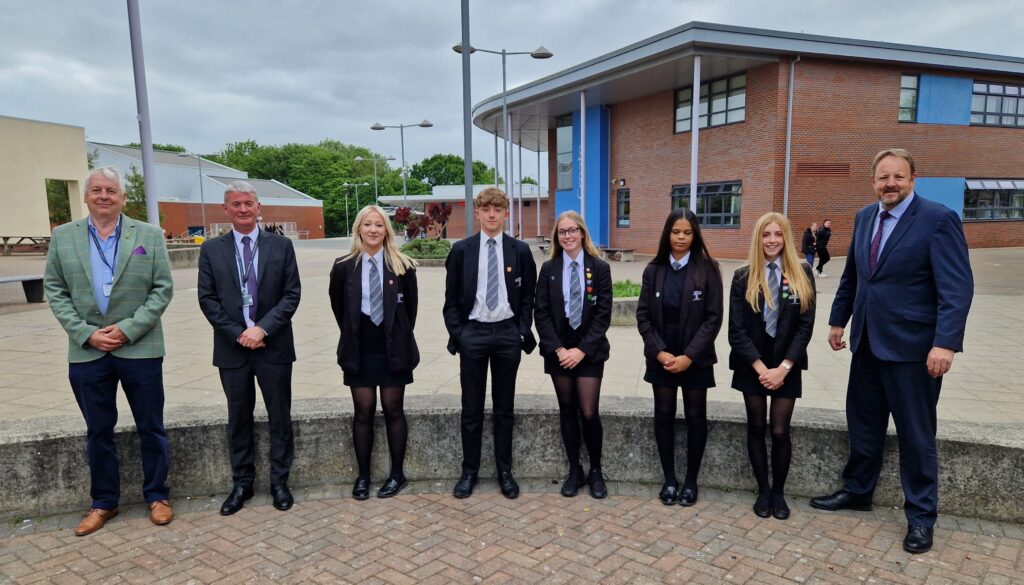
The issue of banning children under the age of 16 from social media is one that has enjoyed a lot of attention recently. This week, ahead of a widespread government consultation, a premature proposal to implement the ban was rejected in favour of a detailed public consultation that will consider a number of option in this nuanced space.
However, the votes have created the legal framework to enable Parliament to enact the measures decided on through the consultation, such as banning under 16s from social media, as well as other ‘specified internet services’ such as AI chatbots and addictive features on platforms, without the need to re-legislate.
I have received letters, emails and plenty of social media comments both in favour of a ban and against and so I wanted to set out my thoughts on the matter and why I voted in favour of the approach taken.
I am concerned that a rush towards the ban by predominantly elderly members of the House of Lords, who are not digital natives, and have limited expertise in this field, will have unintended consequences and I would prefer to see a proper consultation that hears from a wider variety of expert and public opinion.
The digital world can be used to learn, explore and create. It is also the place were many people get their news now.
However, this does need to be balanced with protecting children online and making sure that their families can have the confidence that they will be as safe as possible.
Whilst some parents and campaign groups have called for an immediate ban on social media for under 16s, other groups, including children’s charities, have warned that a blanket ban could drive children towards less regulated corners of the internet. It will also rob many children of access to platforms that they access happily and are of huge importance and enrichment in their lives.
As such, the government is consulting on the right minimum age for children to access social media, including a ban for children under a certain age and whether children should be able to use AI chatbots without restriction. They are also exploring ways to improve the accuracy of age assurance for children to support the enforcement of minimum age limits, so children have age-appropriate experiences and see age-appropriate content, and assessing whether the current digital age of consent is too low.
The consultation will also look at removing or limiting functionalities which drive addictive or compulsive use of social media, such as ‘infinite scrolling’, and explore further interventions to support parents in helping their children navigate the digital landscape, for example further guidance or simpler parental controls.
The Government amendment which I voted for this week will allow the Government to act at pace on the consultation’s findings, meaning that once passed, ministers can act within months rather than waiting years for new legislation every time technology evolves.
I would also encourage anyone interested in this issue to speak to children (particularly older children) about the issue and try to understand both the benefits and dangers of social media usage. Adults have a long history of developing strong opinions about how younger generations live their lives. We always think they should live more like we did, it has always been the case and no doubt was when I was a child too. I am worried that too much of the debate around social media comes from a position of ignorance, so I am particularly interested to hear from parents and children.
I recognise that there have been terrible experiences of bullying and that for some children, social media exacerbates bullying they experience at school meaning they never get away from it. I am also conscious that social media has been a contributory factor to exploitation of children and many seeing things that no child should see. But I also believe an outright ban is a huge step that should be considered very carefully, due to the negative impacts it could have.
The Government’s consultation will hear from as many people as possible before 26 May – parents, children, researchers, and charities. And I want to make sure that my constituents’ voices are included in that conversation. It is clear that any changes must be done with public involvement and as such, I would be grateful if any constituents with a strong view would complete this form about the issue by 5 May, following which I will write to the Technology Secretary on your behalf. Have Your Say on social media access for under 16s Survey